 EN
EN

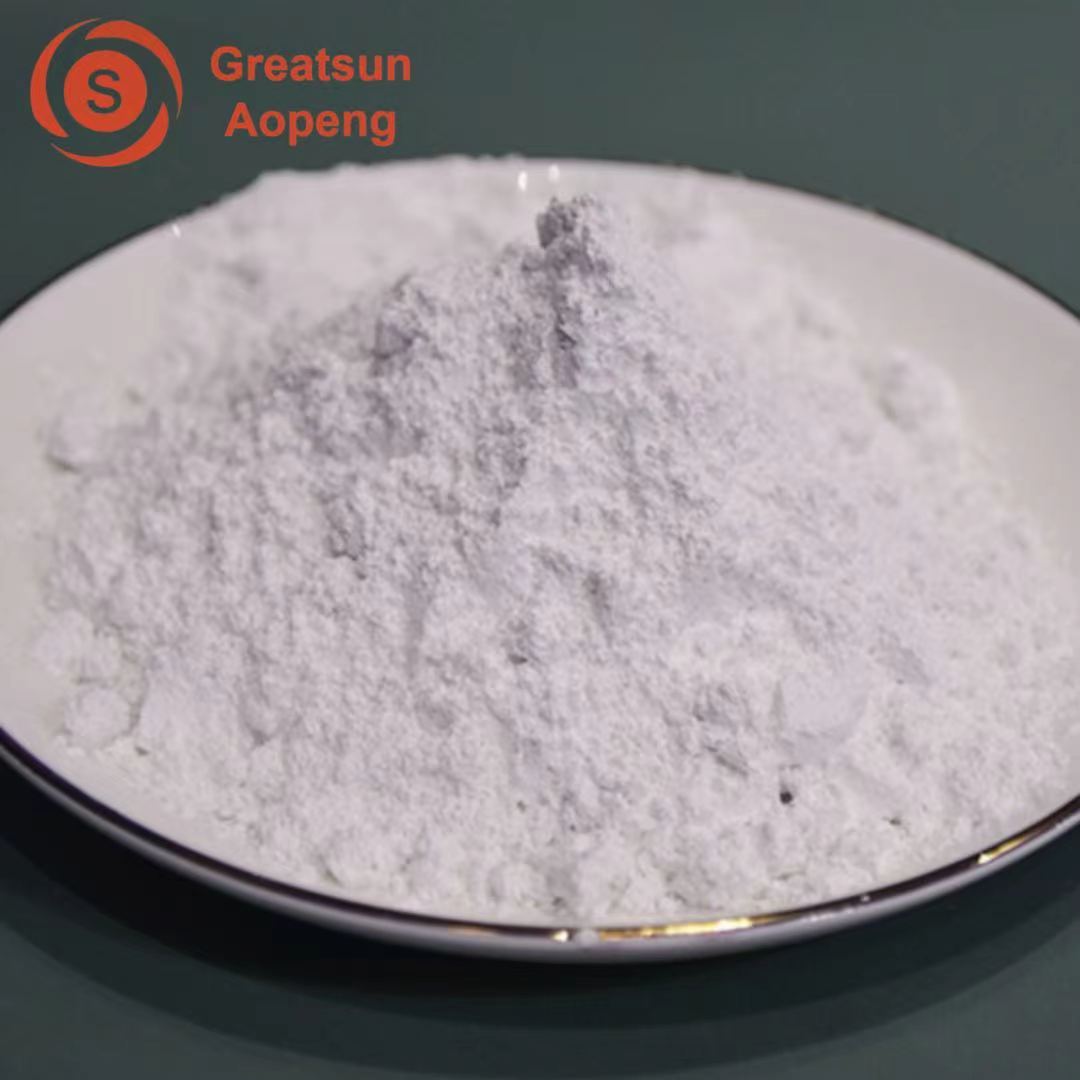
When we talk about making stuff that handle super hot temps, like in furnaces or kilns, we needs special materials. These not everyday bricks they built tough to take the heat without melt or break. Greatsun Aopeng get this big need for reliability in tough spots. These things, call refractories, are the quiet heroes in industries with high heat. They line the inside of furnaces, kilns, and gear where temps go way past what normal stuff can take.
Key Ingredients for High-Temp Needs
To make materials survive crazy high temps, we use certain ingredients that resist heat naturally. These the base of what make refractory products so solid. One top one is alumina (aluminum oxide). Find it in corundum and bauxite. Its real strong and handle very high temps before soften. We use different grades of alumina based on the heat level. For extreme hot, high-purity alumina go in, cause even tiny impurity cause issues. Another key is silica (silicon dioxide). Know silica from sand, but pure its big in many refractories. Silica ones soften at lower temps than alumina high ones, but they good at fighting thermal shock, thats when stuff crack from quick temp changes.
Common Refractory Materials for Steel and Metal Making
In steel and metal production, temps super high and place harsh. Here refractory bricks raw materials shine, some types used more cause properties and cost good. Top workhorse is magnesia-based refractories. Made high-purity magnesia, they take over 1600 C in steel furnaces. Special cause resist molten steel and slag, that mix of impurities. Magnesia not react easy, so lining last long. Like non-stick for hot metal. Often magnesia bricks for walls and hearth. Another big is alumina-silica refractories. Mix alumina silica, grades by ratio. More alumina mean higher temp and chem resist. Used in blast furnaces to ladles for pour metal.
Picking Refractory for Extreme Heat Resist
Picture place so hot melt plastic or metal easy. These special stuff like heat superheros. Used inside furnaces melt metal, or kilns bake bricks pottery. Extreme heat resist mean handle crazy temps without break or melt. One common type from alumina, strong stable from rocks. Like tough ceramic. Alumina ones excellent for hot spots, not react much with molten metal. Another from silica, basically sand. Silica good for acid furnaces, not damage by them.
Future of Light Refractory Raw Stuff in Making Things
In factories make steel, glass, cement, heat always there furnaces super hot inside need special materials not damage. Call refractories. Now think if heat-proof also light! Thats light refractory grade alumina idea, exciting. Old way, strong refractories heavy. Hard handle, add weight to gear. But new ones lighter, like strong foam resist heat. Made with tricks for tiny air pockets. Light but structure strong heat resist.
Zirconia Refractory Raw for Advance Industries
For toughest jobs, high temps and refractory raw materials like elite heat fighters. From zirconium dioxide, known super strength extreme conditons. What special? Handle temps melt others, perfect specialty glass over 2000 C. Also corrosion resist great; harsh chemical molten metals not eat it. Key for pure processes like high-tech ceramics, metal refine. Plus low thermal conduct, mean trap heat good. Super insulate, keep heat in furnaces, save energy big. Greatsun Aopeng see zirconia push limits advance fields.
