 EN
EN

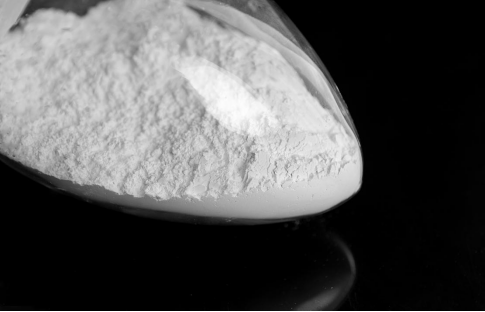
Calcined alumina comes in numerous specialized categories. Many procurement managers in the architectural ceramics industry easily confuse specs meant for electronic ceramics or fluorescent materials with those dedicated to floor tile glazes, incorrectly purchasing overpriced, highpurity raw materials that inflate overall manufacturing costs. For ceramic enterprises in Foshan, Guangdong and Jiajiang, Sichuan, prioritizing a complete COA (Certificate of Analysis) test report to select the properly matched product is crucial when purchasing glaze alumina.
Shandong Greatsun Aopeng’s dedicated highwhite calcined αalumina is tailormade for floor tile glaze operating conditions. Backed by the group’s annual production capacity of 250,000 tons of calcined alumina, it ensures stable supply and minimal batchtobatch variation.
Key Product COA Specifications:
○ Al₂O₃ Purity: ≥ 99.499.5%
○ Na₂O Content: ≤ 0.20.3%
○ Fe₂O₃ Content: ≤ 0.03%
○ Whiteness: ≥ 9394%
○ Particle Size (D₅₀): 0.53 μm (adjustable)
○ True Density: ≈ 3.9 g/cm³
For floor tile glaze production, an alumina purity of 99.499.5% fully satisfies manufacturing requirements—there is no need to blindly pursue ultrahigh purity. Procurement should focus closely on four core metrics:
1. Fe₂O₃ Exceeding Limits: Causes yellowing on the tile surface.
2. Elevated Na₂O: Prone to causing glaze bubbles and pinholes.
3. Insufficient Whiteness: Directly impacts the visual aesthetic of the tile surface.
4. Uncontrolled Particle Size: Overly coarse particles cause specks/pitting, while overly fine particles lead to an orangepeel glaze texture.
Customer Case Study
A wall and floor tile factory in Jiajiang, Sichuan previously experienced high fluctuations in raw material sodium content, resulting in frequent glaze bubbles during mass production. After switching to Greatsun Aopeng's product, every incoming shipment came with an attached COA report confirming stable sodium and iron impurity levels, with particle sizes tuned to their fastfiring kilns. Glaze bubble defects were drastically reduced. The plant reported that they no longer needed to frequently adjust their glaze formulas, cutting down on trial production losses.
Standardized Supply & Quality Control
Greatsun Aopeng utilizes a standardized homogenization production process. The αcorundum crystalline phase remains stable under high temperatures, and the particle size can be customized according to customer production line requirements, adapting smoothly to mainstream processes such as fastfiring and slip casting.
Large production lines prioritize batch consistency above all else, as batch fluctuations can easily cause entire lots of ceramic tiles to be scrapped. Given the large demand in major production hubs like Foshan and Jiajiang, choosing a largescale manufacturer and verifying the COA report for every batch proactively mitigates quality risks, guaranteeing continuous, stable production lines.
