 EN
EN


Description
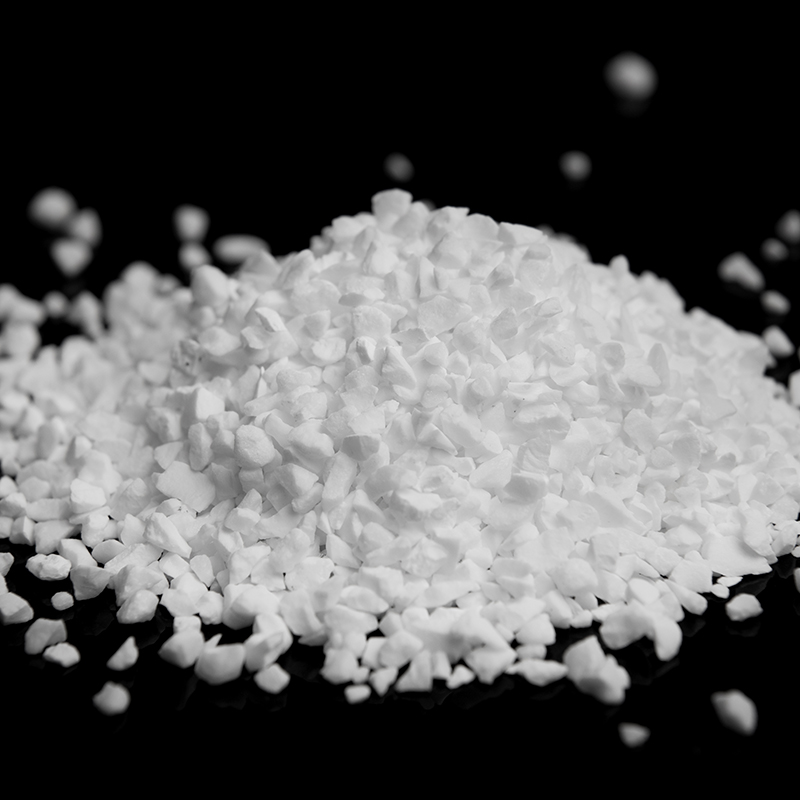
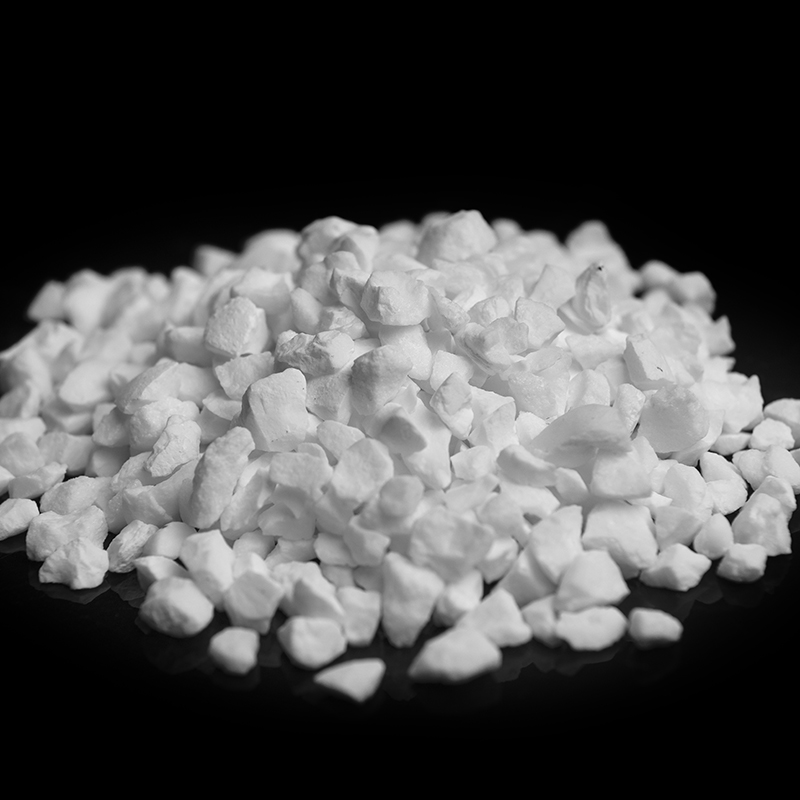
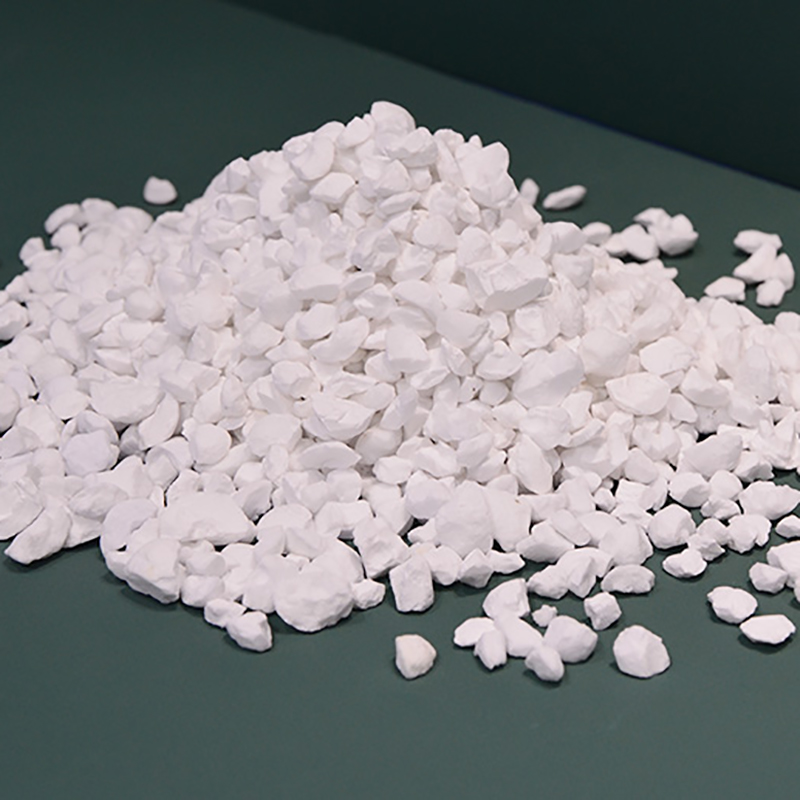
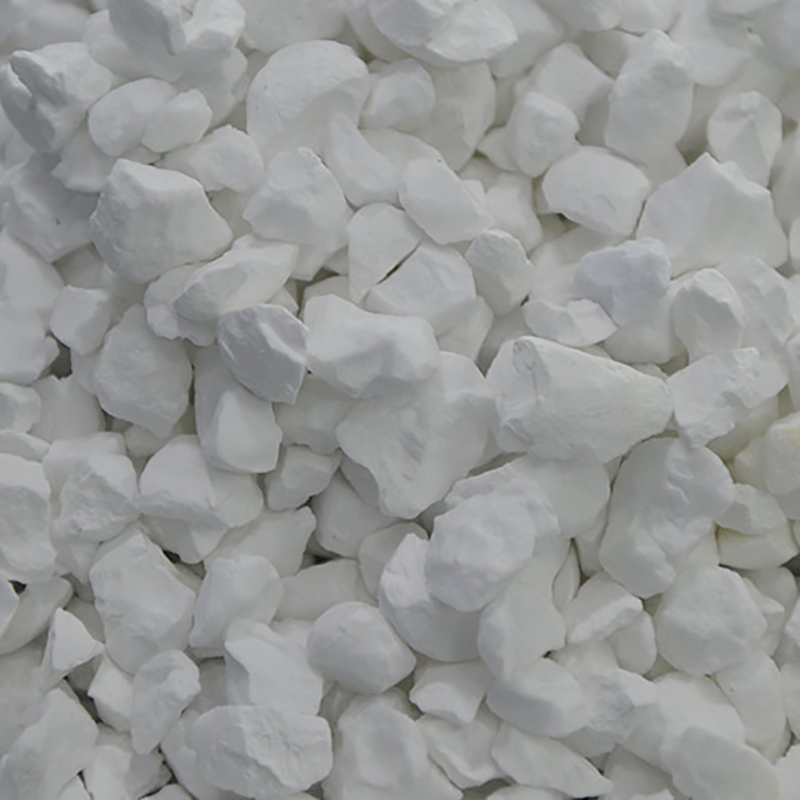
Tabular Alumina is a high-end sintered alumina series product made from high-purity industrial alumina as the base material through an ultra-high temperature solid-state sintering process. It includes three main categories: regular standard tabular alumina, low sodium tabular alumina, and ultra low sodium tabular alumina.This series is deeply calcined and undergoes crystal phase transformation at 1925℃ ultra-high temperature, realizing complete firing shrinkage to produce high-quality dense granules and powders with stable performance.
The core characteristic of the product is its large, fully developed hexagonal tabular α-Al₂O₃ crystals, with numerous uniformly distributed closed spherical pores within and between the crystals, giving it extremely low apparent porosity, water absorption, and excellent high-temperature volume stability. The series uses sodium content as the core differentiating indicator; harmful impurities are far below industry standards, and batch stability is extremely high.
In terms of physical properties, the bulk density of the series of products gradually increases as the sodium content decreases. They possess both excellent mechanical strength and chemical stability, making them the core aggregate for high-performance shaped refractory products and unshaped castables, providing core support for the long-term safe operation of high-temperature industrial equipment.
Specifications
 Tabular Aluminas Technical Data Sheet Tabular Aluminas Technical Data Sheet |
||||||
| Regular tabular alumina | Low sodium tabular alumina | Ultra low sodium tabular alumina | ||||
| Chemical index | Typical value | Guaranteed value | Typical value | Guaranteed value | Typical value | Guaranteed value |
| Al₂O₃ | 99.45% | ≥99.20% | 99.58% | ≥99.30% | 99.70% | ≥99.35% |
| Fe₂O₃ | 0.02% | ≤0.10% | 0.02% | ≤0.10% | 0.01% | ≤0.10% |
| Na₂O | 0.34% | ≤0.40% | 0.18% | ≤0.20% | 0.08% | ≤0.1% |
| SiO₂ | 0.05% | ≤0.18% | 0.06% | ≤0.18% | 0.05% | ≤0.18% |
| Physical index | Typical value | Guaranteed value | Typical value | Guaranteed value | Typicalvalue | Guaranteed value |
| Bulk density | 3.55g/cm3 | ≥3.5g/cm3 | 3.611g/cm3 | ≥3.55g/cm3 | 3.655g/cm3 | ≥3.6g/cm3 |
| Porosity | 2.35% | ≤5.00% | 2.05% | ≤3.00% | 1.80% | ≤2.5% |
| Water absorption | 0.72% | ≤1.50% | 0.68% | ≤1.2% | 0.61% | ≤1.0% |
Applications
Our tabular alumina series, with differentiated sodium content and purity, is precisely tailored for various high-temperature working conditions and widely used in metallurgy, building materials, chemical industry, glass, precision casting, high-end ceramics and other fields. It is a key raw material to ensure the erosion resistance, thermal shock resistance and scouring resistance of high-temperature equipment.
In the metallurgical industry, regular standard tabular alumina is used in high-grade refractory bricks and low-cement/ultra-low-cement castables for equipment such as ladles, blast furnaces and converters to build high-temperature resistant linings; low sodium tabular alumina is suitable for severe scenarios such as the three key components of continuous casting (slide plates, porous bricks, seat bricks), resisting the erosion of molten steel and slag and extending the service life of equipment; ultra low sodium tabular alumina is used in high-end refractory materials for smelting clean steel and special steel, preventing sodium impurities from contaminating molten steel and ensuring steel quality.
In the building materials and glass industry, low sodium tabular alumina and ultra low sodium tabular alumina are applied in high-temperature linings of cement rotary kilns, glass furnaces and ceramic kilns, improving the thermal shock resistance and volume stability of the linings, preventing kiln cracking and deformation, extending the service cycle, while ensuring the purity of glass melt and ceramic bodies and eliminating impurity contamination.
In the chemical and environmental protection fields, the series products are used as inert aggregates in refractory linings of chemical reactors, incinerators and waste-to-energy furnaces. With excellent acid and alkali corrosion resistance and high-temperature strength, they resist the erosion of strong acids, strong alkalis and high-temperature flue gas, adapting to the severe working conditions of complex chemical and environmental protection equipment.
In the precision casting and high-end ceramics fields, ultra low sodium tabular alumina, with extremely low sodium content and high purity, is used in precision casting refractory materials, high-temperature ceramic substrates and special ceramic components, meeting the extreme requirements of precision products for raw material purity, insulation and thermal stability, and serving as a key raw material for high-end manufacturing.
Advantages
1. Graded Sodium Content Design for Precise Multi-Scenario Adaptation
This series features a graded product system of regular standard – low sodium – ultra low sodium tabular alumina to precisely match downstream requirements. The regular grade fulfills general high-temperature refractory applications with controllable costs. The low sodium grade reduces alkali metal impurities and improves high-temperature creep resistance, making it suitable for mid-to-high-end applications such as metallurgical continuous casting and building material kilns. The ultra-low sodium grade achieves strict control over harmful impurities to meet the stringent demands of clean steel smelting, high-end ceramics and other critical fields, completely eliminating softening caused by sodium-related impurities.
2. Unique Tabular Crystal Structure for Superior Thermal Shock Resistance & Strength
The core advantage of tabular alumina comes from its coarse tabular α-Al₂O₃ crystals and closed pore structure. Compared with fused alumina, it effectively buffers thermal stress, significantly enhancing thermal shock resistance and spalling resistance, so it does not crack easily under drastic temperature changes. Meanwhile, the interlocked tabular crystals form a rigid framework that delivers exceptional mechanical strength and wear resistance. This greatly improves the thermal load strength and flexural strength of refractory products, providing excellent resistance to erosion by high-temperature slag and molten steel.
3. Excellent Working Performance for All Refractory Systems
The series features optimized particle size distribution, covering a full range of granules and fine powders. With low water absorption and good flowability, the products mix uniformly with binders and other aggregates. They are suitable for formulations of shaped refractory bricks as well as monolithic refractories such as castables, plastics and gunning mixes. This improves workability, reduces forming defects, and enhances product density and overall performance.
4. Full Industry Chain Self-Production & Self-Sales with Outstanding Cost Performance
Relying on large-scale production, our company independently controls the entire process from raw material selection, calcination, crushing and classification to quality inspection. With no intermediate dealers, we ensure stable quality and traceable indicators for every batch, while offering highly competitive and satisfactory prices ideal for bulk purchases and long-term cooperation. We also provide a professional technical service team that can customize particle size and purity according to customer requirements and solve production technical issues, making us an ideal partner for high-end refractory enterprises seeking upgrading.
5. Eco-Friendly Production Aligned with Industrial Trends
The sintering process for tabular alumina strictly complies with national environmental standards. Low-energy-consumption high-temperature calcination technology is adopted with no harmful gas emissions, and waste materials are recyclable. This aligns with the global trend of green industrial development, helping downstream enterprises achieve green production and enhance their sustainable development capabilities and market image

